
When most people think of chefs, they picture restaurant kitchens and dinner service. But for George De Battista, Group Hotel Services Manager at Elysium, catering is about something far more meaningful. It’s about recovery, dignity, and therapeutic care. We sat down with George to find out what makes healthcare catering such a unique and rewarding career, and why more chefs should be considering the move.
Q: George, can you tell us a little about your background and your role at Elysium Healthcare?
George: I came into healthcare catering from a fine dining background. I was
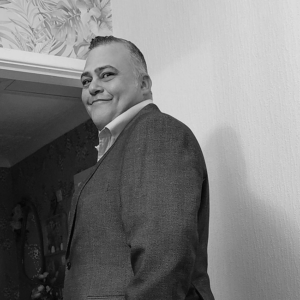
a Michelin-star chef, so the transition was quite significant. Working in healthcare is completely different from a restaurant or hotel kitchen. The mindset has to shift. Here, the service user is always the primary client, and everything we do is built around their clinical and therapeutic needs. As Group Hotel Services Manager, I oversee catering across all of our sites, and right now I’m in the middle of a full overhaul of all our menus, which will give us a database of over 250 recipes that are service user-led, dietician-led, and SaLT team-led.
Q: How does service user feedback shape what ends up on the menu?
George: It’s much more structured than you might expect, and it has to be, our service users are in mental health, neuro, and eating disorder settings, so feedback needs to be gathered sensitively. We do one-to-one conversations during mealtimes, and we also hold service user community group meetings where chefs, dieticians, and speech and language therapists are all present. Service users can talk directly about what they like and don’t like, and we genuinely act on that. It’s a very human process.
Q: What does a typical day look like for a catering team member at Elysium?
George: It’s far more complex than most people assume. Yes, you’re preparing meals, but you’re also working within a clinical governance environment. There are strict portioning systems, nutritional targets, texture modification requirements, and allergen compliance to manage, all at the same time. The structured nature of mealtimes is actually therapeutic in itself. Predictability, consistency, and familiarity are all really important for the people we care for.
Q: You mentioned texture modification. Can you explain what that involves?
George: Absolutely. Texture modification is primarily guided by the Speech and Language Therapists, and it follows an internationally recognised framework called the IDDSI, the International Dysphagia Diet Standardisation Initiative. That gives us specific numerical levels, ranging from something that’s forkable right through to fully liquidised. It sounds technical, and it is, but it’s essential for service user safety. And it’s not something you’d ever learn in a standard catering school. It’s specialist knowledge that our teams learn on the job and through dedicated training.
Q: How do your catering teams work alongside dieticians day-to-day?
George: It’s a genuinely collaborative relationship. I describe the dieticians, SaLT teams, and catering staff as ‘salt and pepper.’ They’re different but go together. Dieticians set the nutritional frameworks, the portion control standards, and the texture guidelines. That influence starts from the very beginning of a service user’s stay and continues throughout. We have dedicated clinical systems that keep everyone informed, and there’s always a chef representative at our community meetings. It’s continuous, it’s embedded, and honestly, it’s one of the most rewarding parts of the role.
Q: What kinds of meals are you actually serving? Is it very different from what we’d eat at home?
George: Less different than you might think, and that’s intentional. The standard menus focus on homestyle cooking, cottage pie, that kind of thing, because familiarity matters enormously for our service users. But we also offer a wide range of ethnic foods, including jerk chicken and specialised halal options. On any given meal, service users typically have three to four choices, including vegan, vegetarian, halal, and standard options, plus sandwiches, jacket potatoes, and salads. The food is modified or fortified where clinically required, but the goal is always for it to taste like real, proper food.
Q: You mentioned fortification. How do you increase nutritional value without compromising on taste?
George: This is where it gets really interesting. One of my favourite examples is our lasagna. By incorporating lentils alongside the mince, at roughly a 60/40 split, we fortify the dish and reduce the fat content, and most service users can’t tell the difference. It’s genuinely better for them without sacrificing anything on the plate. We’ve also introduced a product called Eat Curious, which is a neutral pea protein. It can take on the flavour of whatever dish it’s added to, so we can significantly increase protein and reduce fat without changing the character of the meal at all.
Q: Healthcare catering doesn’t always get the recognition it deserves. What do you think makes it such a rewarding career?
George: People often don’t realise how meaningful this work is. Food isn’t just fuel here, it’s therapeutic. A good meal can reduce anxiety, encourage engagement in group sessions, and genuinely support recovery. When you’re a chef in a restaurant, you’re creating an experience. When you’re a chef here, you’re contributing to someone’s wellbeing and dignity every single day. That’s a profound thing. And then there’s the practical side: our chefs typically finish by 6 pm, have more predictable schedules, and enjoy a much better work-life balance than in a restaurant kitchen. That’s a huge factor in why we retain staff so well.
Q: Finally, what advice would you give to a chef considering a move into healthcare catering?
George: Come with an open mind and be prepared to learn. You’ll need to unlearn some habits; the reliance on fat, butter, and salt that’s common in restaurant cooking doesn’t translate here. But the core skills absolutely do. Understanding flavour, knowing your ingredients, being able to adapt and problem-solve, all of that is just as valued. And you’ll find a level of purpose that’s hard to find anywhere else in catering. I genuinely believe this is one of the most important and underappreciated roles in healthcare, and I’d encourage any chef who wants to make a real difference to consider it.
Thinking about a career in healthcare catering? Explore the latest catering roles at Elysium and discover how your skills in the kitchen could make a real difference to people’s lives.