In this interview, we speak with Dr Helena Du Toit, Consultant Psychiatrist specialising in eating disorders at Elysium Healthcare, about her journey into psychiatry, her role in developing specialist services, and the impact of person‑centred care. Drawing on years of experience across Brighton & Hove and Middlewood, Dr Du Toit shares what inspires her work, how meaningful therapeutic relationships can save lives, and why she continues to shape innovative, compassionate services for some of the most vulnerable patients.
Q. What first drew you into healthcare?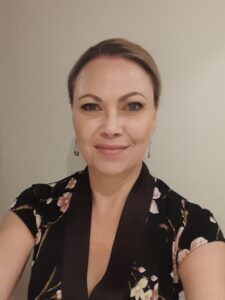
As a child, I always wanted to be a vet. When I finished school, I was awarded a scholarship to study at university, but veterinary medicine wasn’t available, so medicine became the option. I agreed to try it for a year and quickly realised that human medicine offered a much broader scope and range of specialties.
At its core, what drew me to healthcare has always been relationships – meaningful connection and the ability to make a real, lasting difference in people’s lives.
Q. Can you tell us about your background and what led you into psychiatry?
I grew up in South Africa and trained in medicine at the University of the Witwatersrand. Initially, psychiatry wasn’t on my radar at all. I considered becoming a hand surgeon, an ophthalmologist, and even an anaesthetist.
What ultimately changed my path was a deeply personal experience. A close friend and medical school colleague developed anorexia during our studies. Watching her become unwell was frightening, particularly because she didn’t recognise how serious or life‑threatening her illness had become. I felt completely powerless.
She very nearly lost her life following a minor car accident, which became the catalyst for her to seek help. Thankfully, she made a full recovery, and she spoke very highly of her psychiatrist. What really struck me was how meaningful that therapeutic relationship was to her recovery. It made me realise that psychiatry is a field where the relationship itself can be central to healing, sometimes more than procedures or medications.
That understanding stayed with me and ultimately drew me into psychiatry, and later into eating disorders specifically, where the therapeutic relationship is absolutely critical to recovery.
Q. How did you come to work in the UK and specialise in eating disorders?
I moved to the UK in 2005 with the initial intention of working as a staff grade doctor in psychiatry. I later completed my specialist registrar training and always hoped to specialise in eating disorders, although I wasn’t entirely sure what that path would look like.
After training, I was preparing to return to South Africa when I was approached about opening a new adolescent eating disorder unit in Brighton. Although I’m an adult psychiatrist, my experience in eating disorders was seen as the most important factor. That’s how Brighton & Hove developed.
When I started in 2018, the site had previously been an adult addictions unit. We led it through a full transformation into what is now a CYPMHS eating disorder service with a very strong track record. Later, I became involved in establishing Middlewood, an adult eating disorder service.
Q. What does a typical day look like for you?
In inpatient psychiatry, the most important lesson is to expect the unexpected. You can plan your day carefully, but things can change very quickly.
Clear communication is absolutely key – within the multidisciplinary team and with patients, families, and external professionals. Each morning starts with a handover, reviewing what’s happened over the past 24 hours and identifying any immediate priorities.
Ward rounds are a major focus of the week. I structure them so that the MDT meets first for rich discussion, followed by patient reviews later in the day. This allows us to tailor our approach depending on each patient’s needs and tolerance. Around that, my week includes CPA meetings, clinical activity panel meetings with our provider collaborative, external liaison, supervision, teaching, and troubleshooting ahead of weekends.
Q. Why have you chosen to practise at Elysium – and to stay?
I think it’s important to be clear that my experience reflects the teams I’ve worked with, specifically at Brighton and Middlewood. I’ve stayed because I work with people who share my values and my passion for providing the highest standard of care.
Elysium’s model of collaborating closely with the NHS really appeals to me. We provide care for NHS patients that the NHS itself may not have capacity to deliver, but with the flexibility and agility of an independent organisation. That means we can respond more readily to change in demand – whether that’s recruiting staff, developing new roles, or introducing therapeutic innovations.
I’ve also been given real autonomy to put my own clinical vision into practice. From the outset, I was encouraged to develop services that were person‑centred rather than one‑size‑fits‑all. Eating disorders are uniquely personal illnesses, meeting different needs for each person. If a single approach worked for everyone, patients wouldn’t require hospital admissions in the first place.
Q. Can you describe your clinical approach to eating disorders?
Eating disorders are unusual in psychiatry in the sense that they are ‘ego-syntonic’ disorders. In other words, the illness feels like the solution for the individual rather than the problem. As a result, patients are often terrified of letting go of their eating disorder.
My role is to connect with my patients, understand what function their eating disorder serves and empathise with their fear of letting go of a coping strategy that has often become part of their identity. We need to build a shared understanding of how their eating disorder is taking them away from their values, their ‘authentic self’ and is getting in the way of longer-term goals. The next challenge is building sufficient trust to ask patients to let go of the eating disorder and discover a different relationship with nutrition and their bodies.
At both Brighton and Middlewood, we build shared formulations with patients, so they feel heard and understood. From there, we work together to develop safer ways of coping.
Q. What impact has your work had on patients?
The most meaningful feedback often comes months or even years after discharge. Patients tell me they felt listened to, treated as individuals, and supported to see that a future beyond their eating disorder was possible.
Some have said very directly, “You saved my life.” Those moments are incredibly powerful. I still hear from patients five or six years after discharge. A few former patients now return to share their recovery journeys with people currently in treatment, which feels incredibly special.
Eating disorder work is emotionally demanding, but it’s also profoundly rewarding. You’re not just helping one person – you’re often helping to heal families and restore relationships that have been deeply damaged by the illness.
Q. Has Elysium supported you with development, research, or innovation?
Yes, very much so. Developing new services has been an intense but valuable learning experience – from writing service specifications to building teams and mentoring staff who may be new to eating disorder care.
Elysium has supported innovation and research, including teaching for school nurses and GPs, quality improvement projects, and collaboration with NHS partners. At Middlewood, we’re planning on implementing a more sensitive warning system for physical deterioration in anorexia. We are also working with one of the lead dietitians in Elysium on reducing the use of physical restraint for nasogastric feeding.
Innovation is encouraged when it’s driven by person‑centred care, and I’ve consistently felt supported when proposing new approaches.
Q. What would you say to psychiatrists considering Elysium?
Elysium supports the NHS and provides high‑quality, accessible care with well‑resourced teams. There’s a strong sense of community across services – consultants support one another, share ideas, and work collaboratively across sites.
For psychiatrists coming from the NHS, there are also tangible benefits, including remuneration and flexibility, alongside the opportunity to practise in a more agile system while still delivering care aligned with NHS values.
Q. And for those considering Brighton & Hove or Middlewood?
Brighton & Hove is a well‑established CYPMHS eating disorder service with embedded processes and a cohesive team, based in a vibrant and highly commutable location.
Middlewood, by contrast, is an adult service still in its growth phase, based in a beautiful rural area. It’s ideal for someone who enjoys building services, values close collaboration, and perhaps wants a quieter lifestyle while still doing specialist, impactful work.
Q. Looking ahead, what does the future hold for you?
I plan to stay at Middlewood for the next few years. Longer term, I’d love to combine clinical work with teaching or research. I’m passionate about eating disorders and increasingly interested in international collaboration and knowledge sharing.
If you are considering a new opportunity, Elysium offers more than just a workplace—it provides a supportive, versatile and enriching environment where you can grow, learn, and truly make a difference. Whether you’re starting out, looking to develop your expertise, or aspiring to take on leadership roles, Elysium offers a culture of respect, professional development, and collaboration.
If you value a career where you feel heard, supported, and empowered to shape the future of mental health care, Elysium could be the perfect place for you. With opportunities to progress, access to exceptional learning resources, and a team that genuinely has each other’s back, it’s a company where your passion and dedication will be valued.
To view all our Psychiatry vacancies, please click here.